Understanding NexoFlow Content API: A Comprehensive Overview
In the ever-evolving digital landscape, businesses increasingly rely on content to engage audiences and drive growth. The NexoFlow Content API stands out as a powerful solution for organizations seeking to optimize their content management processes. This blog post delves into the various aspects of the NexoFlow Content API, exploring its functionality, benefits, and practical applications for businesses in today’s competitive environment.
What is the NexoFlow Content API?
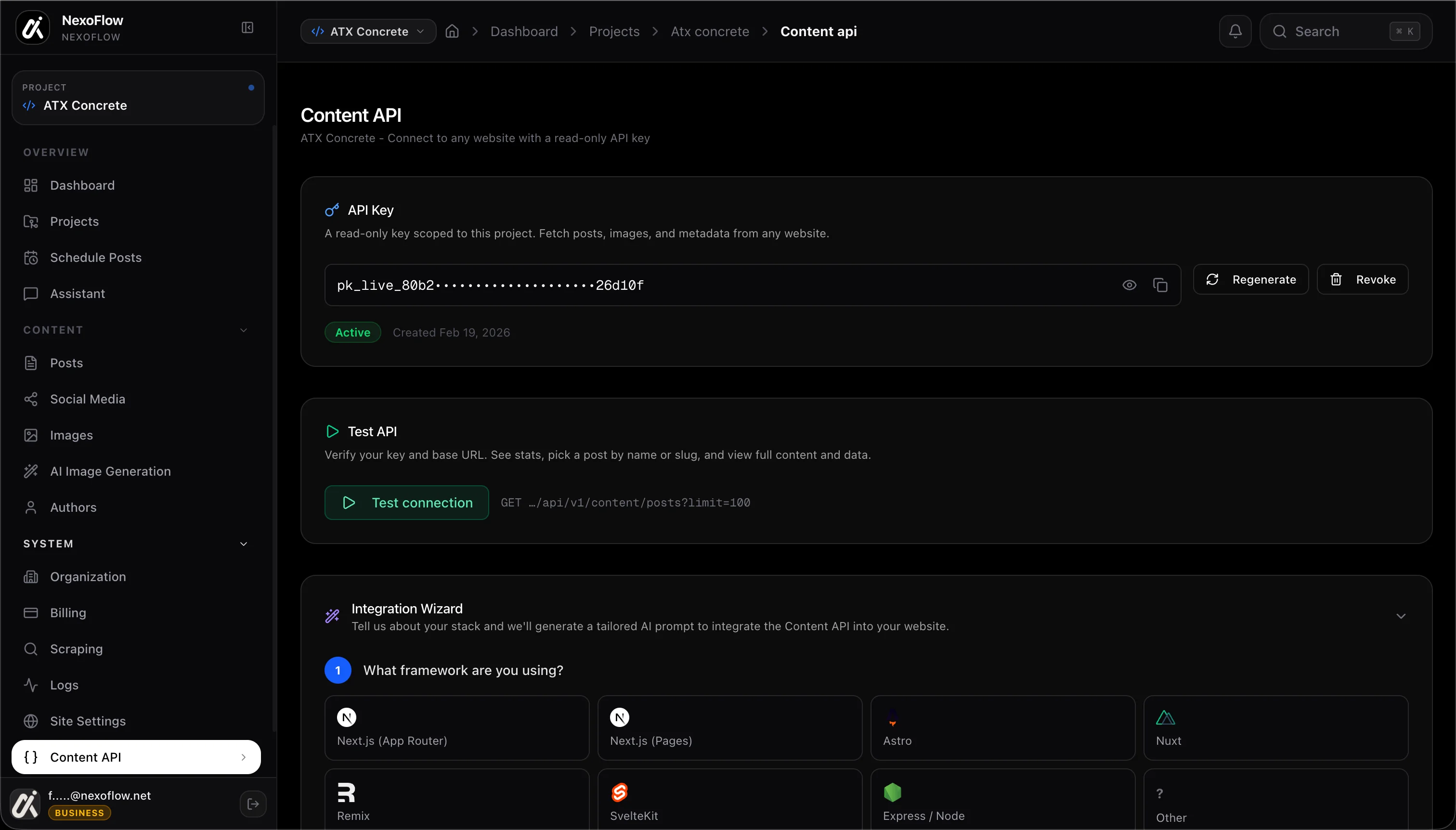
The NexoFlow Content API is a robust application programming interface designed to streamline content management and integration across various platforms. It allows developers to programmatically interact with content repositories, enabling the creation, retrieval, updating, and deletion of content seamlessly. This API is particularly advantageous for businesses that require a dynamic and efficient way to manage their digital content across multiple channels.
Key Features of NexoFlow Content API
- Content Creation and Management: The NexoFlow Content API simplifies the process of creating and managing content. Through its intuitive endpoints, users can easily add new content pieces, update existing ones, or remove outdated information. This feature is crucial for businesses that need to maintain an agile content strategy in response to changing market demands.
- Real-time Content Delivery: One of the standout features of the NexoFlow Content API is its ability to deliver content in real-time. This capability ensures that users receive the most current information, enhancing the overall user experience. Whether it’s a news update, product launch, or blog post, the API ensures that the latest content is always at users’ fingertips.
- Multi-channel Integration: The NexoFlow Content API is designed to integrate seamlessly with various platforms and channels. Businesses can easily connect their websites, mobile applications, and third-party services to create a unified content experience. This flexibility is essential for businesses that operate in multiple digital environments.
- Scalability and Performance: Built with scalability in mind, the NexoFlow Content API can handle increasing amounts of data and simultaneous requests without compromising performance. This feature is particularly beneficial for growing businesses that anticipate expanding their content needs over time.
- Advanced Search Capabilities: The API includes advanced search functionalities, allowing users to query content efficiently. Developers can implement complex search algorithms that filter results based on specific criteria, ensuring that users find exactly what they are looking for.
Benefits of Implementing NexoFlow Content API
Streamlined Workflows
Implementing the NexoFlow Content API can significantly streamline content workflows within an organization. By automating content management tasks, businesses can reduce the manual effort involved, allowing teams to focus on strategic initiatives rather than routine tasks. This efficiency ultimately enhances productivity and leads to faster content deployment.
Enhanced User Experience
With real-time content delivery and multi-channel integration, the NexoFlow Content API contributes to a superior user experience. Customers can access up-to-date information across various platforms, ensuring they receive consistent messaging. This consistency helps build trust and fosters a positive relationship between businesses and their audiences.
Improved Collaboration
The NexoFlow Content API provides a centralized platform for content management. Different departments—such as marketing, sales, and customer support—can work together more effectively, sharing insights and resources to create cohesive content strategies.
Cost-Effective Solution
By utilizing the NexoFlow Content API, businesses can reduce operational costs associated with content management. The automation of tasks, along with improved workflows, leads to lower labor costs and minimizes the likelihood of errors that can result in costly revisions.
Practical Applications of NexoFlow Content API
E-commerce Platforms
For e-commerce businesses, the NexoFlow Content API can be a game-changer. By integrating the API with their online store, businesses can manage product descriptions, images, and promotional content efficiently. This allows for quick updates to product listings, ensuring that customers always have access to the latest information.
News and Media Outlets
News organizations can leverage the NexoFlow Content API to manage and deliver content rapidly. The real-time capabilities of the API enable reporters and editors to publish breaking news stories instantly, ensuring that their audience remains informed. Additionally, the advanced search functionality allows users to find specific articles or topics with ease.
Educational Institutions
can benefit from the NexoFlow Content API by managing course materials, announcements, and student resources effectively. By centralizing content management, schools and universities can ensure that students have access to the latest information, enhancing their overall learning experience.
Getting Started with NexoFlow Content API
Setting Up Your API
To get started with the NexoFlow Content API, businesses need to follow a few essential steps:
- Sign Up for Access: Visit the NexoFlow website and sign up for access to the Content API. Depending on your organization’s needs, you may choose from various subscription plans.
- API Documentation: Familiarize yourself with the comprehensive API documentation provided by NexoFlow. The documentation includes detailed information about endpoints, authentication methods, and usage examples.
- Integrate with Your Platform: Once you’re familiar with the documentation, begin integrating the NexoFlow Content API with your existing platforms. This may involve working with your development team to ensure seamless connectivity.
- Test Functionality: Before going live, conduct thorough testing to ensure that all API functionalities are working as intended. This step is crucial to identify and resolve any potential issues.
Best Practices for Using NexoFlow Content API
- Optimize Content for SEO: When creating content through the API, ensure that it is optimized for search engines. This includes using relevant keywords, adding meta descriptions, and utilizing proper heading structures.
- Monitor API Performance: Regularly monitor the performance of the NexoFlow Content API to identify any potential bottlenecks or issues. This proactive approach can help maintain optimal functionality.
- Keep Content Updated: Establish a routine for reviewing and updating content managed through the API. Outdated information can harm your brand’s credibility and user trust.
Conclusion
The NexoFlow Content API is a versatile and powerful tool for businesses looking to enhance their content management strategies. With its robust features and practical applications, the API can help organizations streamline workflows, improve user experiences, and drive growth. By leveraging the capabilities of the NexoFlow Content API, businesses can stay ahead of the competition in the fast-paced digital landscape of 2026 and beyond.